IoT
Seeing what happens in the field, as it happens
A successful IoT project does not begin with the choice of a sensor, but with the question: what decision will this measurement make possible?
The problems we address
What brings you here
You discover the breakdown when production stops
Nothing measured beforehand: no temperature, no vibration, no hour counter. The failure is simply endured.
Readings are manual and far apart
Someone walks round once a day to read a level or a temperature. Between two rounds, nobody knows.
The cold chain cannot be proven
In a dispute, there is no timestamped record of the temperature during transport.
The network is unstable on site
Solutions that assume a permanent connection lose data at the first outage.
Deliverables
What you receive
- IoT consulting and feasibility study
- End-to-end design of connected solutions
- Sensor integration and instrumentation of existing equipment
- Edge gateways with local buffering
- Telemetry platform and real-time monitoring
- Rules engine and automatic alerts
- Predictive maintenance based on the measurements
- Energy monitoring and asset tracking
- Web and mobile IoT dashboards
- Integration with ERP, CMMS and reporting tools
- Device fleet management and remote updates
Benefits
What it concretely changes
Interventions triggered by measurement
A threshold crossed creates a work order automatically instead of waiting for the next inspection.
A record that stands up
Timestamped measurements, retained: the proof exists in the event of a dispute or an audit.
Collection continues without a network
The gateway stores locally and catches up on reconnection. No data is lost to an outage.
Connectivity cost under control
The radio technology is chosen against real volume and coverage, not by default.
Features
What we can do in this area
- Device registry with a unique identity and provisioning
- Digital representation of the equipment (current and desired state)
- MQTT ingestion secured by mutual authentication
- Rules engine: thresholds, missing signal, correlations
- Downlink commands to the equipment
- Time-series storage with a retention policy
- Device health monitoring and loss-of-communication alerts
- Remote firmware deployment with signing
- Integration APIs and webhooks
- Logging and observability across the fleet
Our approach
How we go about it
Use case and decision
What decision or action should the measurement trigger? Without a clear answer, we do not fit a sensor.
Site survey
Radio coverage, available power, environmental constraints, access for maintenance.
Instrumented pilot
A small number of pieces of equipment over a set period, to validate the measurement and the whole chain.
Scaling up
Bulk provisioning, an installation procedure, and training for the maintenance teams.
Operations
Fleet monitoring, asset management, updates, and replacement of devices at end of life.
Architecture
How it is built
IoT architecture is designed end to end, from the sensor through to the business application. Each layer has its own security and resilience constraints.
Field
Sensors and equipment, power supply, mechanical protection, environmental conditions.
Acquisition
Microcontrollers, or existing controllers queried over Modbus or OPC-UA rather than replaced.
Edge
A gateway with a local buffer, reliable timestamping and a store-and-forward mechanism.
Transport
Ethernet, Wi-Fi, BLE, Zigbee, LoRaWAN, NB-IoT, LTE-M, 4G/5G, private network or satellite as the need dictates.
Platform
MQTT broker, idempotent ingestion, rules engine, time-series storage, command handling.
Operations
Dashboards, alerts, integration with CMMS, ERP and reporting.
Security
A unique identity per device, X.509 certificates, mTLS, secure boot, signed firmware, rotation and revocation.
Diagram
The full chain, layer by layer
Each layer has its own security and resilience constraints. The diagram scrolls horizontally on a small screen.
Technologies
Relevant technologies
- MQTT
- Mosquitto
- Node-RED
- Modbus
- OPC-UA
- LoRaWAN
- NB-IoT
- LTE-M
- Zigbee
- ESP32
- Arduino
- Raspberry Pi
- C embarqué
- Python
- Node.js
- Socket.io
- PostgreSQL
- TimescaleDB
- InfluxDB
- Redis
- RabbitMQ
- Grafana
- Docker
- TLS / mTLS
- X.509
- Sentry
Industries covered
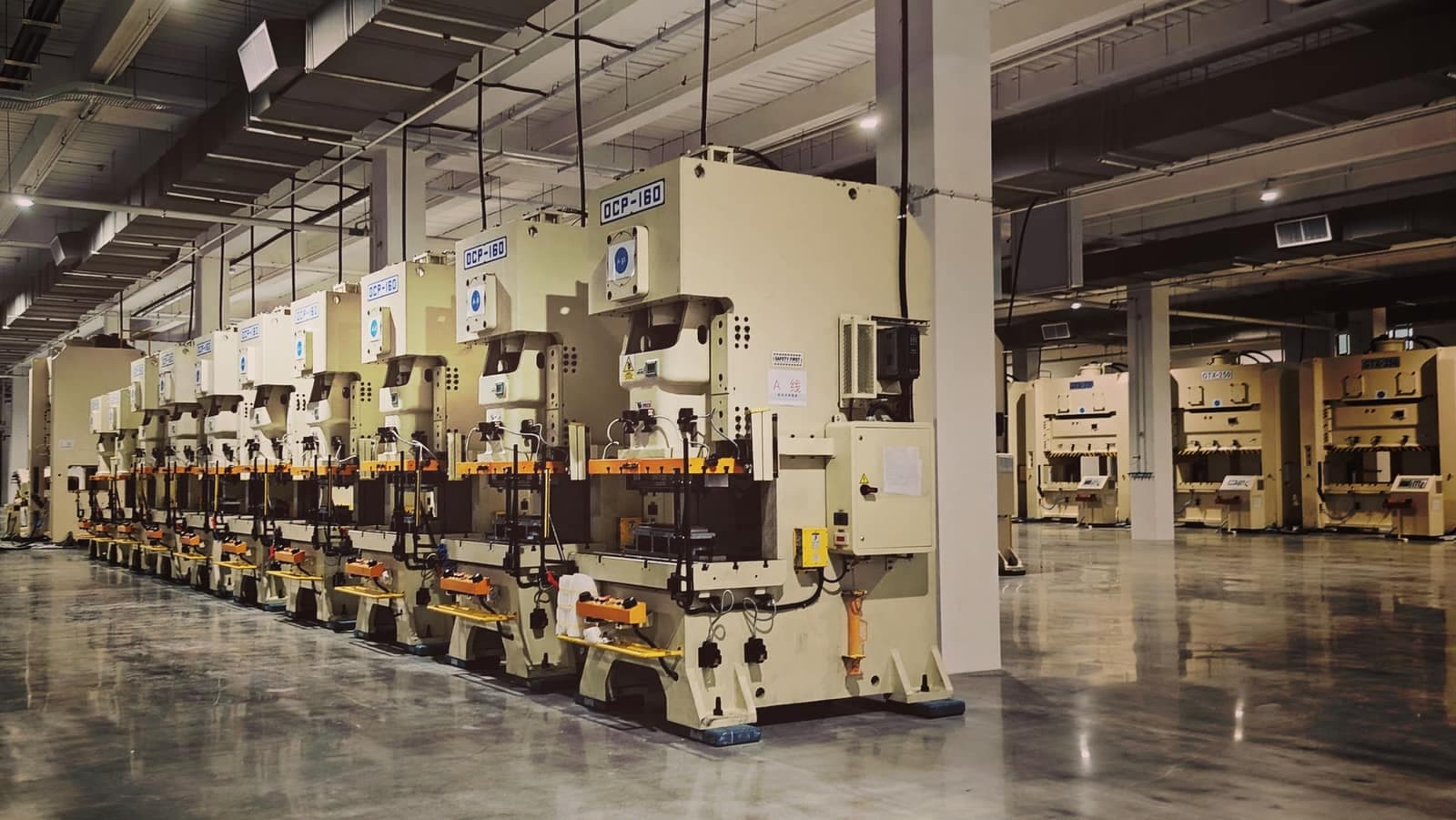
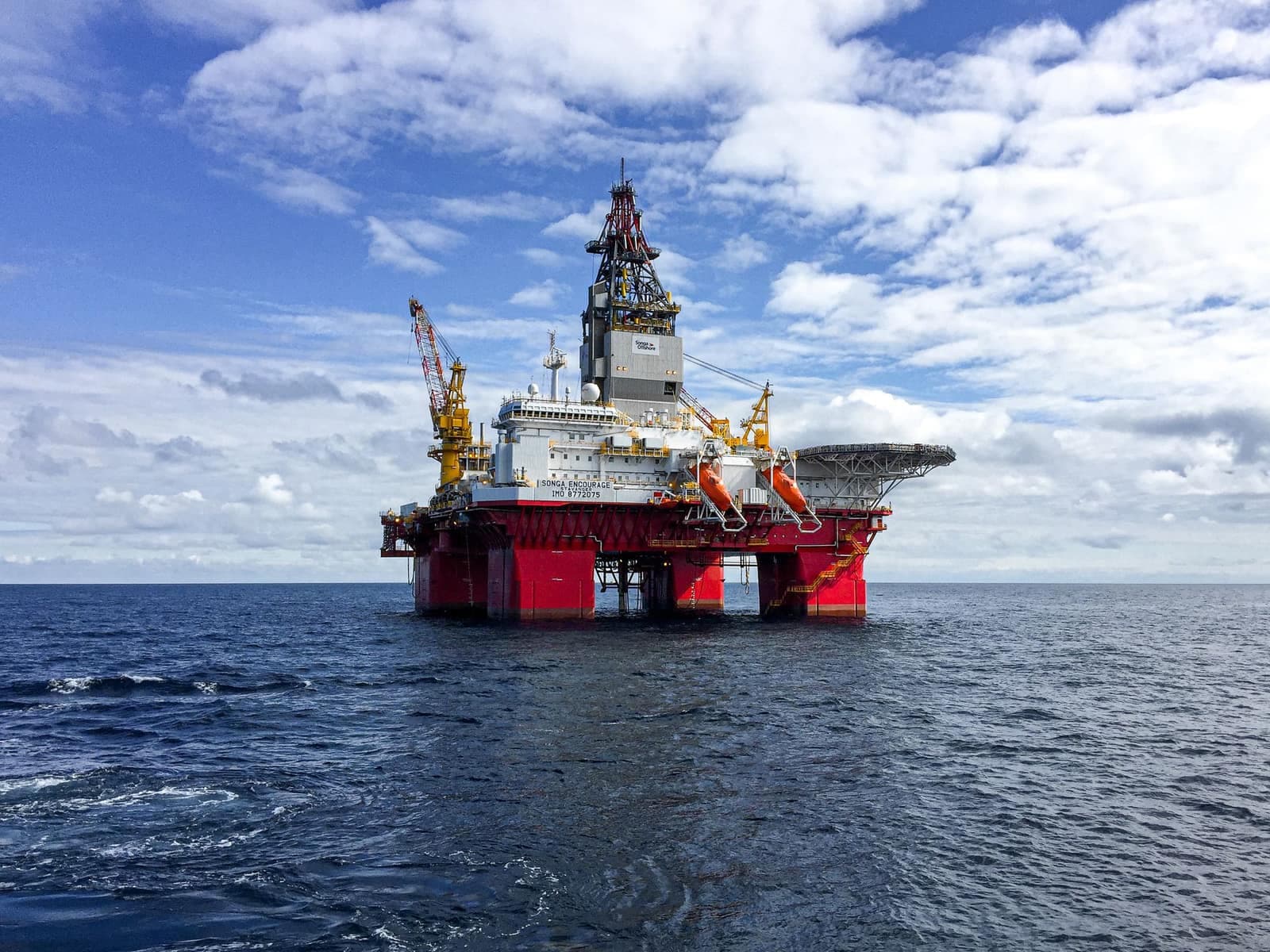
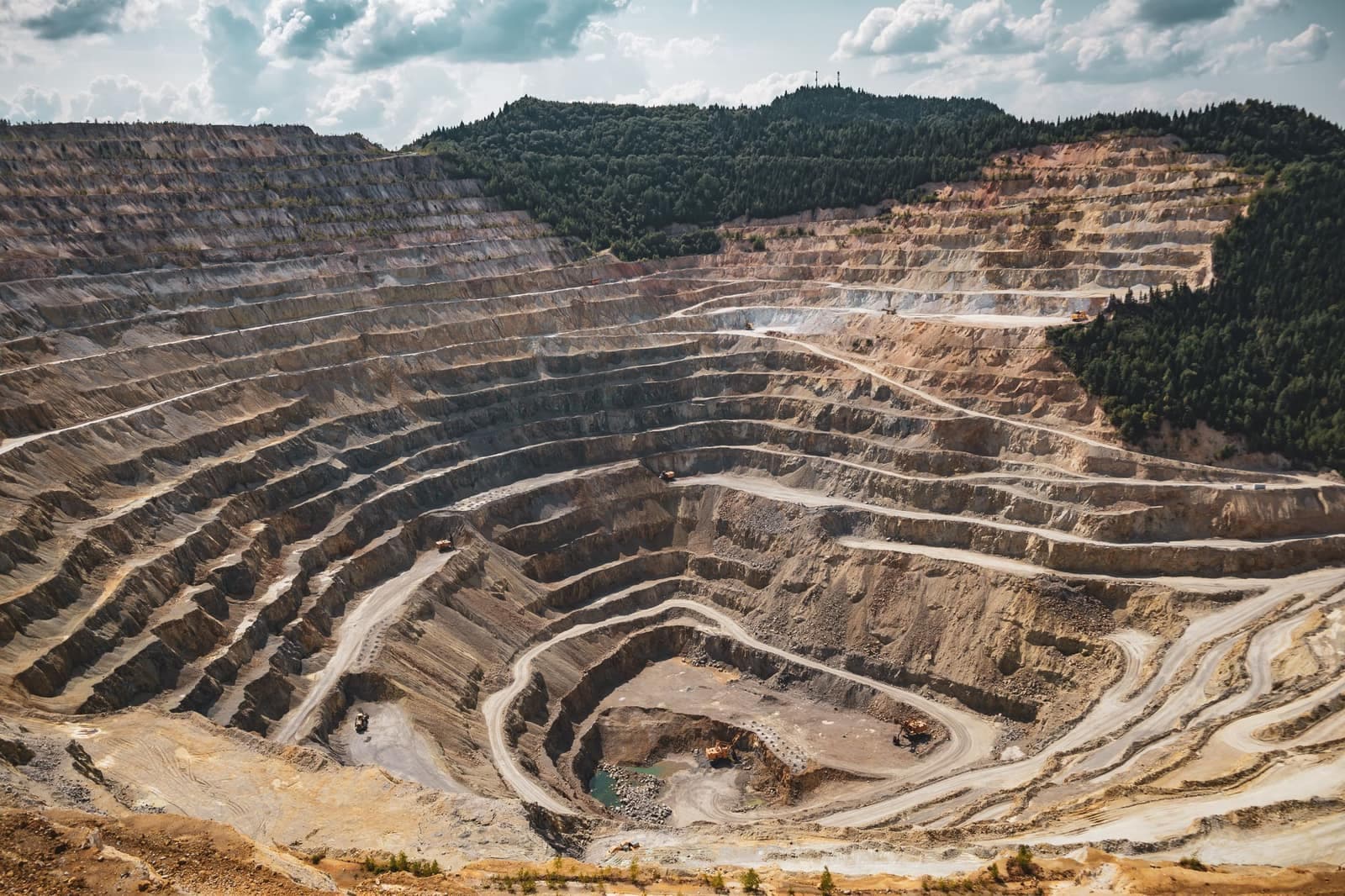
The industries where we apply it







Evidence
Related work
Related solutions
Existing bases to move faster
Frequently asked questions
Frequently asked questions
IoT and connected solutions
Do our existing controllers have to be replaced?
Which radio technology should we choose?
What happens if the network goes down?
How do you secure the devices?
Can you supply the hardware?
Africa Tech Services
A project around “IoT”?
A first thirty-minute conversation, with no commitment. We will tell you plainly whether we are the right partner — and if not, we will point you elsewhere.